
Reading Course Instructions
Course Instructions are your roadmap through each day of competition. Learning how to read, prepare, and communicate them is one of the most important skills a new team can develop.
Complete the instruction you are working on before moving to the next — but always know what is coming next.
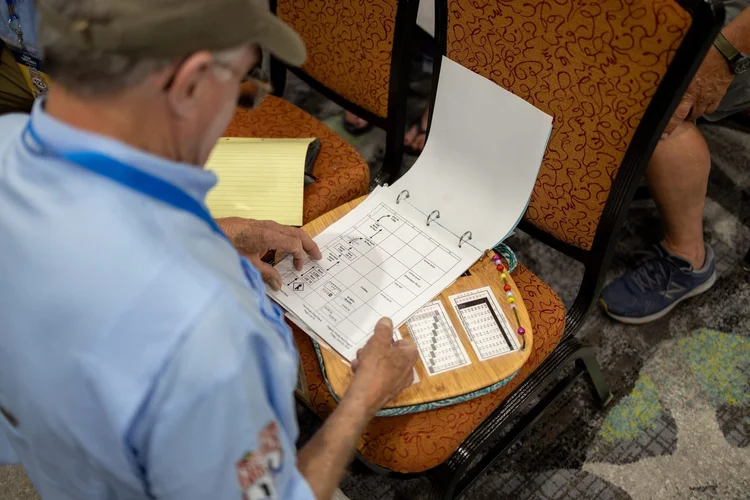
Use Your Preparation Time
Course Instructions are issued shortly before your assigned start. Do not simply grab them and head for the car. Use that time to review the pages and make them easier to follow while you are moving.
Review the Pages
Look through the instructions before starting so you understand the overall format and any unusual notes.
Mark Your Speeds
Make speeds easy to see and transfer the current speed to the top of the next page when helpful.
Highlight Special Notes
Mark “comes quick,” restarts, transits, and anything else the navigator needs to recognize immediately.
Organize Your Workspace
Keep the instructions, performance charts, stopwatch, and writing tools where the navigator can reach them easily.

What the Instructions Tell You
Road & Landmark Diagrams
Visual diagrams and descriptions help identify intersections, roads, signs, and landmarks.
Assigned Speeds
Instructions tell you when to begin, continue, or change an assigned average speed.
Timing Information
Some instructions include time-of-day starts, pauses, interval times, or other timing information.
Special Zones
Symbols identify areas such as tire warm-up, speedometer calibration, transits, lunch stops, pit stops, and free zones.
Know These Before Competition
You are responsible for leaving the instructed point at the correct time. Do not rely on another participant to tell you when to leave.
Transits may provide more freedom in how you travel, but they can still contain precise timing requirements. Read the instructions carefully.
Follow the instructed stop and pause requirements while using your team's rally technique and performance information.
Identify the turn first, execute it safely and consistently, and follow the new assigned speed.
Know exactly where the change takes place and what the new assigned speed will be.
When instructions occur close together, prepare the driver before reaching the first execution point.

Keep the Driver Looking Ahead
The navigator will sometimes be looking down at instructions, timing information, or performance charts. Make sure the driver knows what sign, intersection, or landmark comes next.
Review Driver & Navigator Basics →Course Instructions Get Easier With Repetition
The more your team practices reading instructions aloud, identifying landmarks, handling speed changes, and preparing for restarts, the more natural the process becomes. Rally School tutorials and the Spring Rally are both useful ways to build that routine.
Keep Learning the Course Instructions
Use the Rally School tutorials and Rookie Handbook alongside the current Event Regulations as you prepare for competition.